Camas de Ceniza / Ash Beds moves between Lake Michigan and the volcanic terrain surrounding Popocatépetl and Paso de Cortés, tracing relationships among body and weather, breath and ash, erosion and maintenance, memory and place. The project explores inner and outer weather, visualizing the interwoven strata of bodily, environmental, social, and political landscapes.
Drawing from scientific image systems such as geological diagrams, bathymetric maps, hazard maps, and retinal scans, the work considers accumulation, instability, and the material traces left by environmental, political, and personal forces
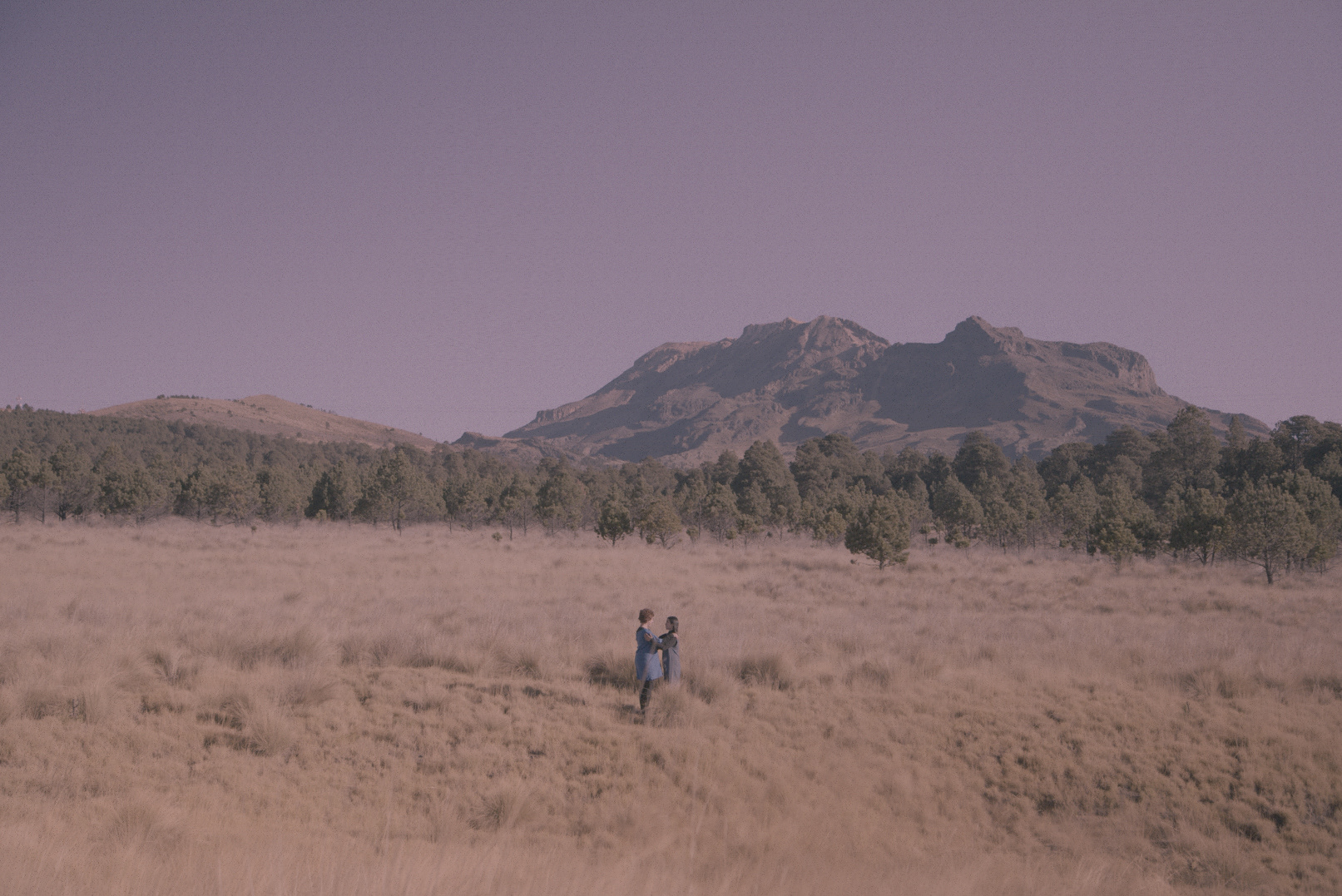
Over more than two years, a series of visits, conversations, shared excursions, and exchanges between Chicago-based artist Susy Bielak and Mexico City–based artist Nuria Montiel shaped the development of the project. Later conversations and fieldwork at Paso de Cortés brought Bielak’s longtime collaborator Fred Schmalz into the dialogue. References and observations spanning from the monitoring of Lake Michigan to records of Popocatépetl's exhalations circulated between the artists, creating unexpected correspondences between distant geographies and lived experiences. Passing between them like clouds, wind currents, and dispersed ash, these exchanges became a way of thinking across distance, geography, and lived experience.
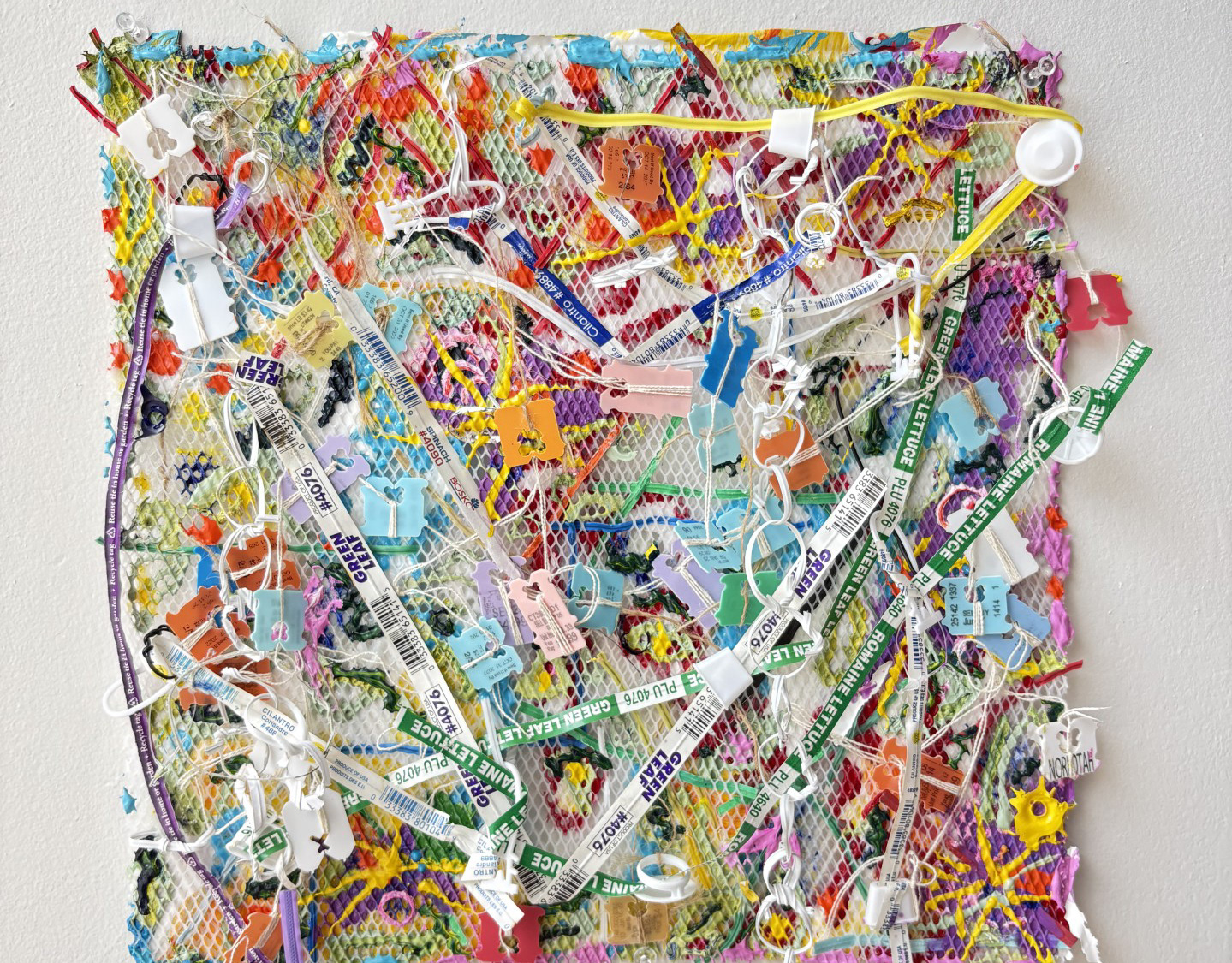
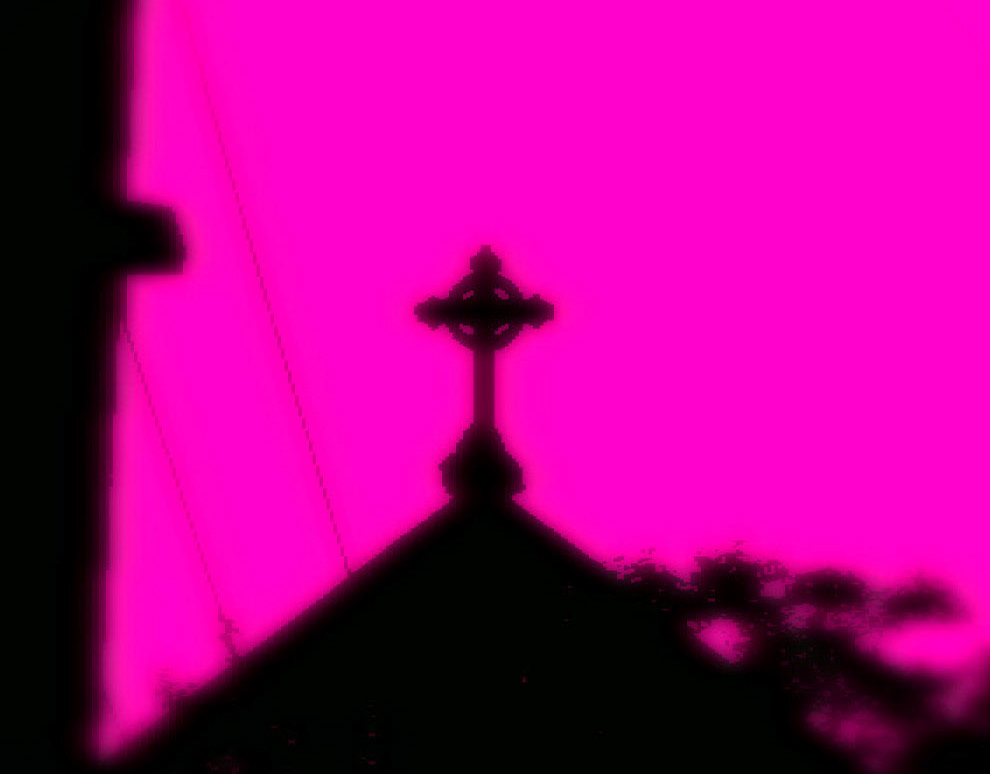
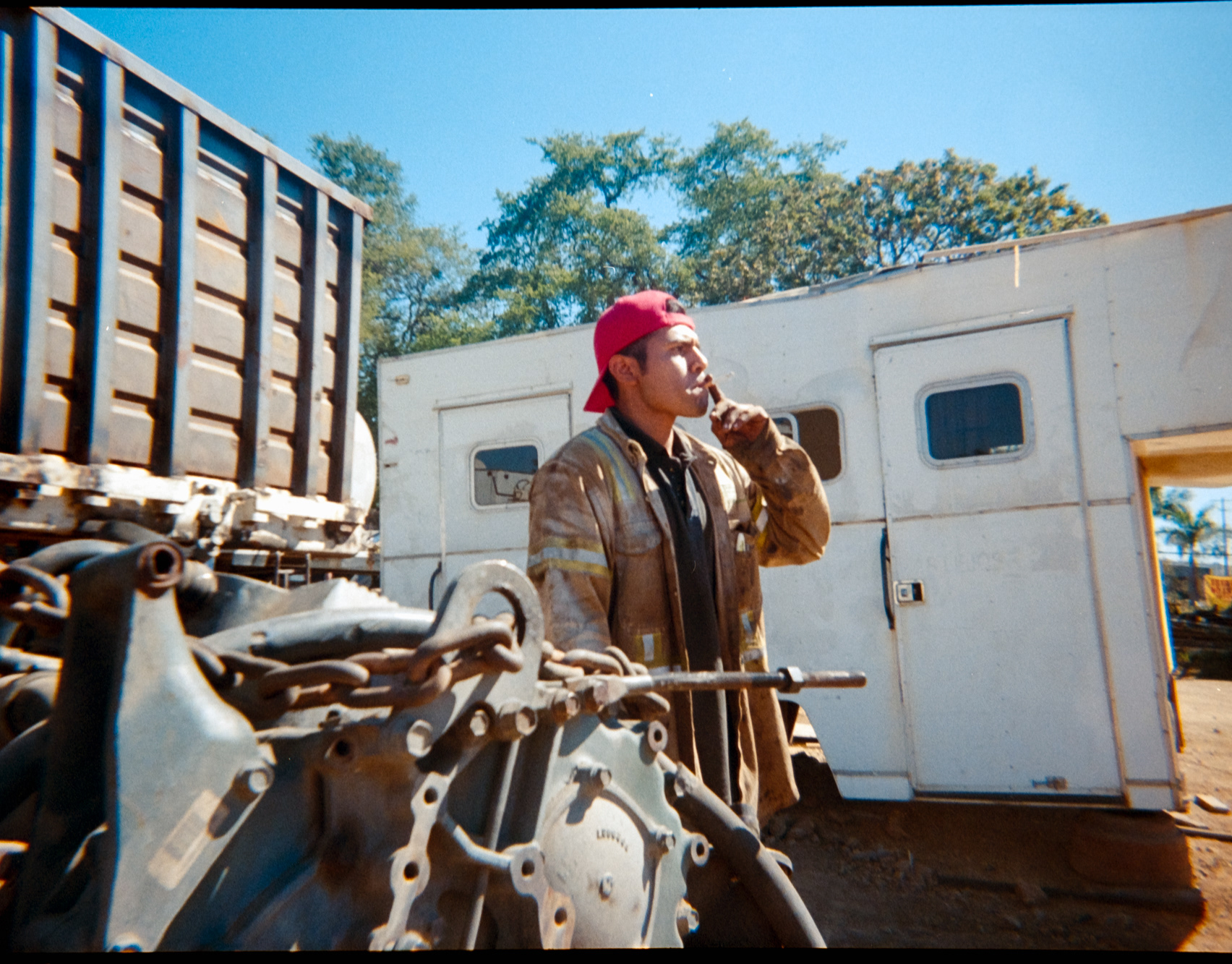
Through a site-responsive installation including paintings on amate paper, visual poems, suspended broom forms, volcanic ash, window drawings, needlefelt works, and photographs documenting temporary actions, Camas de Ceniza / Ash Beds considers how we navigate uncertainty and create moments of care, protection, and temporary order within shifting conditions.
Susy Bielak is an artist and writer whose work explores migration, displacement, memory, and place. Through drawing, installation, performance, photography, text, and video, she reimagines the social and political structures written into our environments.
Informed by her own diasporic experience, Bielak's work traces relationships between interior and exterior landscapes, connecting intimate experiences to larger environmental, political, and historical forces.
Her projects range in form, spanning from drawings made with her breath to videos staged in sites of scientific testing. Her collaborators have included writers in exile, bus drivers, social workers, choreographers, engineers, musicians, and scientists.
Bielak's work has been exhibited, collected, and published widely, including by the Museo Tamayo, San Diego Museum of Contemporary Art, Walker Art Center, New American Paintings, and Poetry Magazine. She received her MFA from the University of California San Diego and is Assistant Professor of Art at Lake Forest College, where she is currently a Mellon Fellow. She lives and works in Chicago.